Discover Premium Charleston Filming Locations - 36 Unique Production Spaces Available
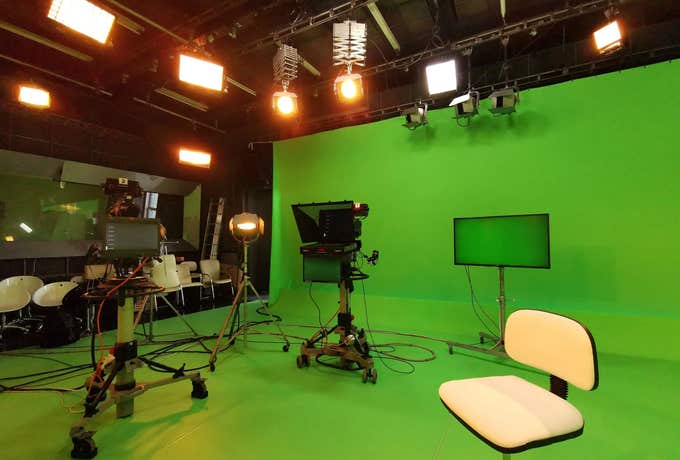
Search and book thousands of unique Filming locations to hire for your production in Charleston, SC.
Karmelina Moore
Giggster makes booking spaces for production easy and seamless. What could be a stressful experience is easy and fun. I highly recommend.
Amanda Kingloff
Giggster has been a great way to make some extra money. It’s super easy to list your space and you really have full control over its pricing and who you rent to.
EElias
Giggster makes it super easy to find awesome unique spaces to create, many of which are a great value for the time provided.
Giggster has been an outstanding platform and has brought me a tremendous amount of business. The entire experience has been seamless, from managing bookings and communicating with renters to receiving support whenever I need it. What truly sets Giggster apart is its team. They are incredibly responsive, easy to reach, friendly, considerate, accommodating, and consistently professional.
Fast and reliable booking!
I used Giggster to book a spot with a pool to celebrate my son’s birthday. It was very easy to search up what I was looking for and booking was very easy and straightforward! Me and my family enjoyed the spot I booked so much that we’re already planning on booking again soon!
Convenient and efficient
Used it for more than a year for location searching for filming. Can’t live without it.
This host typically confirms bookings quickly and reliably.
From $150 USD/hrInstant book
The Southern Zen™ is a relaxing oasis near downtown Charleston and the Ashley River. Conveniently located in the desired neighborhood of Avondale on a street lined with Live Oaks and Spanish moss.
Built in 1947, The Southern Zen™'s many windows allow for immense amounts of natural light, creating an open and airy feel throughout. The cottage features a newly remodeled Chef's Kitchen and new bathroom addition with exposed brick. Three updated bedrooms with nice windows can easily b
SuperHost
New
5.0 (3)
15 guests
North Charleston, SC
Responds within 1 hr
From $130 USD/hrInstant book
Photography, filming, workshop and art studio space. Open floor plan with concrete floors & large windows for natural lighting. Couch, chairs and living room area available for shooting in. Kitchenette, bathroom and changing area available. Backdrops, lighting, stands, furniture and props all available for use.
SuperHost
New
5.0 (1)
45 guests
Charleston, SC
Responds within a few hours
High acceptance rate
This host typically confirms bookings quickly and reliably.
From $120 USD/hrInstant book
Welcome to Groom’s Event Space, a stylish and relaxed backyard venue perfect for gatherings, filming, and special celebrations. Located just a few blocks from ShadowMoss Public Golf Course and only 3 miles from Charleston’s historic plantations, this versatile space blends Southern charm with modern comfort.
Designed with the groom’s experience in mind, the property features a gentlemen’s game room complete with a pool table and a built-in cocktail bar — ideal for pre-wedding festivit
SuperHost
New
5.0 (1)
60+ guests
Charleston, SC
Responds within a few hours
From $350 USD/hrInstant book
Our gallery is a contemporary art gallery in Charleston, SC. Located in the French Quarter, it features a vibrant compilation of artists that vary in style and medium. Our collection offers a range of creative gems for both locals and visitors to discover.
SuperHost
New
5.0 (1)
45 guests
Charleston, SC
Responds within a few hours
From $150 USD/hrInstant book
Grooms Event Space - Gentlemen's Pool Table in Cozy Game room with built in Cocktail Bar. ShadowMoss Public Golf Course a few blocks away, Charleston SC Plantations 3 miles away. Event space is perfect for Groomsmen to gather, a shower and dressing suite, optional catering package, outdoor courtyard, corn hole, & 1 Staff Member to serve you. Refundable Security Deposit of $ 500.00 is required and will be refunded 48 hours at end of your booking if no overages or damage has occurred.
SuperHost
New
5.0 (2)
60 guests
Charleston, SC
Responds within a few hours
From $175 USD/hrInstant book
3200 sq ft production studio in downtown Charleston, SC featuring:
20 x 24 corner cyc wall
20 ft ceilings
12 ft glass roll up door
drive in capable
natural light
full kitchen
SuperHost
New
5.0 (1)
15 guests
Charleston, SC
Responds within 1 hr
From $420 USD/hrInstant book
"Welcome to Coastal Caviar in Downtown Charleston”, a photographer's dream nestled in the Wagener Terrace Neighborhood. This modern gem offers a unique combination of luxury and natural beauty, perfect for various photoshoot themes.
Our property features a breathtaking backyard with stunning marsh views, creating a serene backdrop for any shoot. The lush, evergreen turf ensures a vibrant and picturesque setting year-round. The space is complemented by elegant lounge seating and sun lo
SuperHost
New
5.0 (0)
15 guests
Isle Of Palms, SC
Responds within 1 hr
High acceptance rate
This host typically confirms bookings quickly and reliably.
From $300 USD/hrInstant book
This gorgeous custom waterfront home is in the pristine Isle of Palms community.
Located just a short walk from the beach and overlooking the Intracoastal Waterway.
Each bedroom offers a waterfront view with tons of natural light and ensuite bathrooms.
Cool off in the refreshing saltwater pool or fish off the private deepwater dock!
Enjoy dinner on the back deck, sip some wine by the stone-wrapped fire pit, or swing on the dock while watching an unforgettable Lowcountry sunset. Soak up t
SuperHost
New
5.0 (0)
60+ guests
Charleston, SC
Responds within a few days
From $500 USD/hrInstant book
Our space is a new mixed-use project that sits on the site of Standard Oil's original southeast headquarters dating back to the early 1900's. The architecture of the building was inspired by its surroundings: a railyard, the nearby Charleston Port, and the original Standard Oil offices next door. The space consists of individual office spaces, 3 ground floor retail spaces, a rooftop terrace, outdoor amphitheater, renovated 1950's railcar now in use as a green room, and retrofitted
SuperHost
New
5.0 (1)
30 guests
North Charleston, SC
Responds within 1 hr
From $100 USD/hrInstant book
Step into the spacious and modern 4BR 2.5Bath getaway nestled in a tranquil neighborhood just a stone's throw away from the airport, fantastic local restaurants, shops, and exciting attractions. Explore North Charleston or lounge the day away in the stunning home whose stylish design and rich amenity list will leave you in awe.
The home is nestled in a tranquil and friendly neighborhood of North Charleston, a city that offers a compelling mix of history, culture, and contemporary attractio
SuperHost
New
5.0 (1)
30 guests
Charleston, SC
Responds within a few hours
From $150 USD/hrInstant book
This is a first floor apartment of our grand home on 5.9 acres on Clouter Creek less than a mile from Daniel Island Marina.The apartment is locked off from the rest of the home and contains 2 bedrooms, 2 baths, a kitchenette with full size 36” fridge, hot plate, convection oven and coffee maker. The kitchenette is open to the living room with small table and desk. The apartment itself could fit about 15 people maximum some standing some seated with ample space outdoors on covered porches as we
SuperHost
New
5.0 (0)
15 guests
Charleston, SC
Responds within 1 hr
From $155 USD/hrInstant book
Stunning artistic 1200 sf first floor apartment in a historic 1920s Charleston single home located in the heart of one of the city’s most beloved neighborhoods. It's a stone's throw away from idyllic Hampton park and a short walk to many of Charleston's best bars and restaurants. Whether you're strolling around historic Charleston, exploring the city's many culinary offerings, or hitting the beach (only a 15 minute drive away), beautiful and perfect home base, central
SuperHost
New
5.0 (1)
30 guests
North Charleston, SC
Responds within 1 hr
From $175 USD/hrInstant book
Located in North Charleston’s revitalized Navy Yard district, our space features 2,000 square-feet of multi-use production space including a 20’ by 27’ cyclorama wall, a 20’ by 15’ lighting grid affixed to 12-foot ceilings, ample natural light, and dedicated pre-production areas.
We are easily accessible to both local and visiting artists, located just ten minutes outside of Charleston’s historic district and ten minutes from Charleston International Airport.
**Please note that th
SuperHost
New
5.0 (0)
60 guests
Mount Pleasant, SC
Responds within a few hours
From $250 USD/hrInstant book
This distinctive home features bold, high-end finishes and a strong sense of style, offering a polished yet livable setting just ten minutes from downtown Charleston, South Carolina. Located in a walkable neighborhood with nearby restaurants, bars, salons, and local shops, the property provides both convenience and character for productions or events.
The first floor includes a private bedroom with a full bath, an additional half bath, a media room, and a secluded courtyard, creating multiple u
SuperHost
New
5.0 (0)
15 guests
Mount Pleasant, SC
Responds within a few hours
From $124 USD/hrInstant book
Welcome to your own private outdoor paradise. Tucked away off the street, this property sits on a beautifully landscaped 1.13-acre lot that delivers unmatched peace, space, and seclusion.
Among the many special features this home offers, the expansive backyard stands out as a true retreat—perfect for relaxing, entertaining, or simply enjoying nature. Mature greenery, thoughtfully designed outdoor spaces, and the serene atmosphere create an ideal setting for gatherings, quiet mornings, or suns
SuperHost
New
5.0 (0)
15 guests
Mount Pleasant, SC
Responds within a few hours
From $124 USD/hrInstant book
Experience unmatched elegance and modern comfort in this stunning home, available as a house-only rental. Featuring both an attached 3-car garage and a separate detached garage equipped with electric, this property offers exceptional convenience and versatility.
Step through the custom-crafted steel double doors into a grand foyer boasting 15-foot ceilings that flow throughout the home. A breathtaking chandelier sets the tone for the sophisticated design. As you move toward the sitting area, you
SuperHost
New
5.0 (0)
15 guests
Charleston, SC
Responds within 1 hr
From $76 USD/hrInstant book
White walls, high ceiling & grey wood resembling vinyl flooring.
Great space for small photo shoots, vlog, streaming, or broadcasting.
Space can also be used for hosting small gatherings like book clubs, baby showers, or workshops.
Space rental includes a kitchenette with a small fridge, microwave, & water kettle. A restroom with a makeup mirror and toiletries. A dressing room with a full-length mirror, a stool, a clothing rack to hang wardrobes and jackets, with extra room to store
SuperHost
New
5.0 (0)
15 guests
Charleston, SC
Responds within 1 hr
From $155 USD/hrInstant book
Climate controlled and sound resistant studio space with 25x28' 2-cove white cyc walls, separate greenscreen, in a standalone warehouse building located 15 minutes from downtown Charleston and 15 minutes from the airport.
Included lighting and grip: pre-rigged, in-ceiling RBG lighting: Amaran 150c and F21c (controlled by Sidus Link), 2 Amaran 150c with spotlight, 1 Neewer panel light, 3 Paul Buff strobes, stands, various modifiers. Greenscreen is pre-lit with 2 Aputure Novas. Assortment o
SuperHost
New
5.0 (0)
15 guests
Charleston, SC
Responds within 1 hr
From $155 USD/hrInstant book
Large photo/production studio space is your creative playground! 25x20 foot white cyc wall with additional shootable spaces and occasional seasonal sets and mobile walls. Assortment of chairs, props, and backdrops, please inquire for specifics.
Included lighting and grip: pre-rigged in-ceiling Amaran 150c RBG lighting, 2x Amaran 150c with 1 spotlight, 1 Neewer panel light, 3 Paul Buff strobes, stands, sandbags, various modifiers. Additional camera, lighting and grip rentals available upon requ
SuperHost
New
5.0 (0)
60+ guests
North Charleston, SC
Responds within a few days
From $250 USD/hrInstant book
A lively and inviting open-concept craft brewery and taproom set in a spacious, high-ceilinged warehouse with an industrial-chic aesthetic. The expansive, light-filled space boasts a polished concrete floor, exposed beams, and large windows that let in plenty of natural light. A sleek, polished bartop serves as the focal point, complemented by plush, inviting couches and intimate booth seating, creating a perfect blend of comfort and modern design. The atmosphere is a mix of bustling energy and
No exact matches
Try changing or removing some of your filters.
Frequently Asked Questions about Filming locations
Have a question about Filming in Charleston, SC?
Do I need my own production or event insurance in Charleston?
Yes. All renters are required to carry Comprehensive Liability and Property Damage insurance with liability coverage of no less than $1,000,000.
What protection plans are available for bookings in Charleston on Giggster?
You'll find up to 42 different types of locations in Charleston. Just start a search at giggster.com and narrow things down with the 'Filter' option.
Is there an extra cost to add more attendees to my Charleston booking?
Yes. Pricing tiers are based on group size. For example, if you booked a space for a group of 1-5 for $3,000 USD/hr, the price per person is $600 USD/hr. Each additional person would increase the rate by $600 USD/hr.
How much are average location rentals in Charleston?
Rental rates vary with the type and features of the location, but the average rate in Charleston is $277 USD per hour.
Why should I choose Giggster over other platforms offering rentals in Charleston?
Giggster's got your back — and we know our stuff. Our Customer Support team is knowledgeable and accessible, we offer white glove Select service to help you find the perfect location, and we're experts on the unique needs of production teams.
What is the price range for Filming locations in Charleston, SC?
Booking prices vary with the property type, features, and rental length, but generally a 1-hour booking will be in the range of $40 USD to $1,500 USD.
Which Filming locations are most popular in Charleston, SC in 2026?
The top 3 Filming locations in Charleston, SC right now are , and .
How do I book a Charleston location on Giggster?
When you find the right venue, you can connect with the host to get additional info and work out the details. Once everything is all set, you can book and pay for the location in a couple of clicks. Learn more about booking locations.
Reviews for Filming locations in Charleston, SC
Anthony B.
5
Love love love this location! It was EXACTLY what we needed for our web series! And the host is Amazing!
Alessandro N.
5
Great space for affordable multi-set filming. The hosts were very sweet and location easy to find and park. Will definitely go back!
Travis B.
5
This space was absolutely incredible. It took the Production Value on our Feature Film way up. Our site rep Julie was super helpful and available on standby whenever we needed her. This space was perfect because we were able to get at least four locations all in one.
Kristen G.
5
This place is wonderful. There are many options for simple standing sets and Nina and Lou were very accommodating. They brought in a toilet so that we could use one of their sets as a bathroom. They even let us use a canopy for the bed, which helped our shoot. It was a joy to work with them. I highly recommend using this location.
John Henry K.
5
The beautiful Woodbury Estate was exactly what our crew was looking for! Great location for a film shoot—lots of character, many rooms with varied decor, and an excellent permit-friendly location. Sally was extremely easy to work with and made the entire process smooth and fun! Our team definitely wants to return here for future productions.
Allison C.
5
Third time filming here! Love this location. Gail and Rudy are fantastic! Highly recommend.
MASON L.
5
Great location!! Was perfect for my shoot and Brian was an amazing host who was very helpful and easy to work with! 10/10 recommend!
Mark H.
5
Marcella and Keith were awesome, very responsive and a pleasure to work with. Their property was huge and very cinematic!
Keep the Adventure Going!
Book top Filming locations in Charleston, SC, all in one app.
Scan this code to download the Giggster app directly from the App Store.
Find Filming locations in other cities
Find Filming locations in Charleston, SC
About Charleston
Charleston is the largest city in South Carolina and serves as the county seat of Charleston County. The MSA of Charleston covers four counties and is the third largest in the state. According to the 2020 census, Charleston’s population is marked at just above 150,000, and that of the MSA at just under 800,000.
Charleston was founded in honor of King Charles II in 1670. Although nearly destroyed many times throughout its history by fires, hurricanes, and wars, each time Charleston was re-built to that of its colonial charm and character. These traits define Charleston.
Because of its natural harbor from the confluence of three rivers leading to the Atlantic Ocean, Charleston has maintained significance in shipping and commerce and as a base location for the navy and the coast guard. The diversity of people and the cultures of Charleston remain with us today.
Charleston’s nickname is “The Holy City.” In contrast to its tumultuous past during the ante- and postbellum South, Charleston has always been tolerant of free religious worship by its citizens. These churches, both historic and modern, are today’s testament to the tolerance of religious practice.
Filming Options in Charleston
The film industry is important to the local economy. A popular venue in its own right, Charleston has become a popular stand-in for the “typical” southern scene. The filming venues in Charleston consist of specialty spaces with operating businesses, residences of traditional and colonial style in the city, and acreage settings.
Production Services A full-service production vendor will offer all aspects of filming beginning with the story concept to the delivery of the end product. The technology and the equipment for the pre-and post-production would be a part of the service package. The production package can be assembled as turnkey or be tailored to fit the scope and the needs of the client. In addition to the technical talent, the service of a project manager should be included to manage the production between the studio and the client.
Furniture and Décor Rentals The setting of the stage needs to set the mood and the tone of the film project and aid with the connection of the message by the target audience. Film production is an event, and a vendor specializing in the staging of a variety of events will bring the talent to the set. The choices of furniture, décor, props, and accent pieces will all play a part in the messaging.
Permitting In Charleston, there is no specific permit for filming. However, the film set may qualify as a “special event” or a “temporary use event”, both of which will require a permit. These definitions are event and venue specific. If a film set is upon public property or will encroach onto public property, then a permit will be required.
Filming Company Options in Charleston
Another benefit of this guide is to give film producers suggestions of local vendors and explain the tax incentive program. The hiring of local talent and labor will strengthen the value and the merits of the application for the rebate of state taxes. The local knowledge of the contractors and vendors brought to the set and production will be evident in the efficiencies in the time schedule and the budget.
843 Productions, LLC Based in the heart of Charleston, 843 Productions provides a full-service production studio for films produced for commercials, instruction and demonstrations, social media, and pilots. With the standard services of a production studio, 843 Productions offers storyboarding at the front end for the film crew and the project manager to develop an understanding of the client’s use and expectation of the final product.
The French Eclectic This women-owned event rental business based in Charleston provides the services and the talent to set a stage. The French Eclectic has pre-packaged collections of different themes with options for upgrades. In the alternative, the rental items can be chosen on an a la carte basis. The rental periods can be day-of, short-term, or for longer inventory holds to accommodate the unpredictable schedule of a film set. Showroom viewings are set by appointment only.
Tax Rebate Program in South Carolina The tax incentive program in South Carolina comes in the form of a rebate. This means that state taxes are paid in full and reimbursed at a later time. The tax rebates are 30% on supplies, 25% on resident labor, and 20% on non-resident labor. There are no project caps, but a minimum of $1 million must be spent locally.
Pros and Cons of Filming in Charleston
Setting out the pros and the cons of filming in Charleston is an important part of the fact-finding process. This guide sets out three considerations under the advantage and the disadvantage categories giving equal weight to each.
Advantages
Charleston’s charm Throughout its history, Charleston has been heavily damaged countless times by war, fire, and natural disasters as recently as 1989 by Hurricane Hugo. Although the rebuilding used stronger materials under stricter building codes, Charleston has always rebuilt itself to replicate its southern colonial charm.
Climate The average high temperature in the summer months is 87°F, with lows in the 70s. The average high in the winter months is 60°F, with lows in the upper 40s. The average annual rainfall is 45 inches with the majority occurring in July and August.
Support of the arts The culture within Charleston is a mix of traditional US southern, west African, French, and English. This culture is celebrated. Throughout the year, Charleston hosts numerous cultural events, fairs, parades, and festivals paying homage to fashion, art, film, wine, and low country oysters.
Disadvantages
Crime As of 2018, Charleston’s crime rate was on par with the national average and below that of the MSA and the state of South Carolina. While the safety within Charleston remains better now than at the beginning of the 21st century, the stigma remains.
Tax rebate program There are some aspects of South Carolina’s tax incentive program relative to non-resident labor and the qualification of the first $1 million of labor expenses that rival other states. However, it must be noted that the program is a rebate program, not a reduction program.
Special event permit Although Charleston does not issue a permit specifically for filming, the film production may be subject to permits for a special event, a temporary use, encroachment, and perhaps others.
Famous Locations in Charleston
Fort Sumter and Fort Moultrie National Monuments These two historic forts stand guard at the entrance to the Charleston Harbor. The battle at Fort Moultrie defeated the British navy in 1776, and the rebel army defeated the union army in 1861 marking the beginning of the civil war. These forts are located on separate islands in the harbor. The tours last approximately 1-2 hours at each fort. Fort Sumter is only accessible by boat.
Old Exchange and Provost Dungeon This is one of South Carolina’s most historic buildings. The building was the original fortification of Charleston built in 1698. This building was expanded and renamed in 1771 as the New Exchange and Custom House. The dungeon area once held pirates and patriots, and the building held the ratification of the constitution and the entertainment of George Washington.
Walking Food Tour This 2.5-hour tour will take visitors to local markets, bakeries, and restaurants to sample the dining scene of Charleston. The tour price includes bottled water and a professional guide. The samplings will make a complete meal. Twelve is the maximum group number and the minimum age for tour participants.
Sign up for a Giggster account to claim your $50* credit. Use your credits towards your first booking, or when renting out your location for the first time!
Giggster will send you auto-generated service and offer-related emails and text messages. You can opt out at any time from your account settings. Please read Giggster Mobile Terms for more information.
User gave you $50
Sign up for a Giggster account to claim your $50* credit. Use your credits towards your first booking, or when renting out your location for the first time!
Giggster will send you auto-generated service and offer-related emails and text messages. You can opt out at any time from your account settings. Please read Giggster Mobile Terms for more information.
An account with this email already exists
To proceed with this account, please enter your password or log in with a social account.
How would you like to receive the verification code?
Please note that the code will only be sent via SMS if you have a phone number in your profile and it is verified.
Check your email phone for a code
We’ve sent a 6-character code to .the phone number associated with . The code expires shortly, so please enter it soon.
Can’t find your code? Check your spam folder!
You have reached the limit
You’ve made too many login attempts. Please wait one hour and try again or contact our support team via or email at contact@giggster.com
Didn’t receive an SMS? instead.
Resend in 0:59
You’ve made too many attempts to get the code. Please wait one hour and try again or contact our support team via or email at contact@giggster.com
Reset password
Enter the email address associated with your account, and we’ll email you a link to reset your password.
Reset link sent
We’ve sent an email to with a secure link to reset your password. If you don’t receive anything after several minutes contact us at contact@giggster.com. We’re happy to help.
User with this social account is not registered. Try to . User with this social account is already registered. Try to or use another social account.